IoT systems are built from multiple functional layers that work together. Each layer has a specific role, starting from device hardware and ending with the application used by the end user.
The main functional layers of IoT are:
- Device Hardware
- Device Software
- Communications
- Cloud Platform
- Cloud Application
Layer 1 - Device Hardware
IoT devices and embedded systems include physical components that allow the system to sense, actuate, process, and communicate.
- Sensors and actuators.
- Microcontrollers and microprocessors.
- Analog and digital input/output interfaces.
- Antennas, displays, buttons, and communication ports.
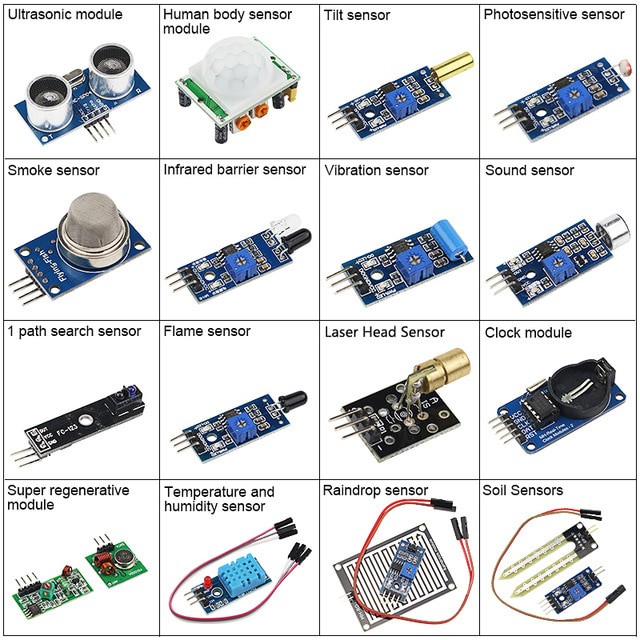
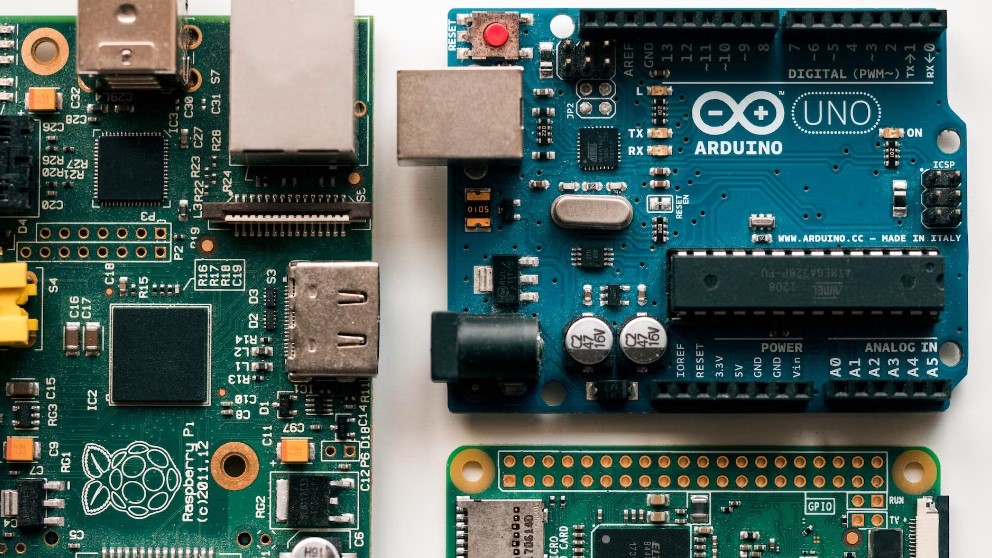
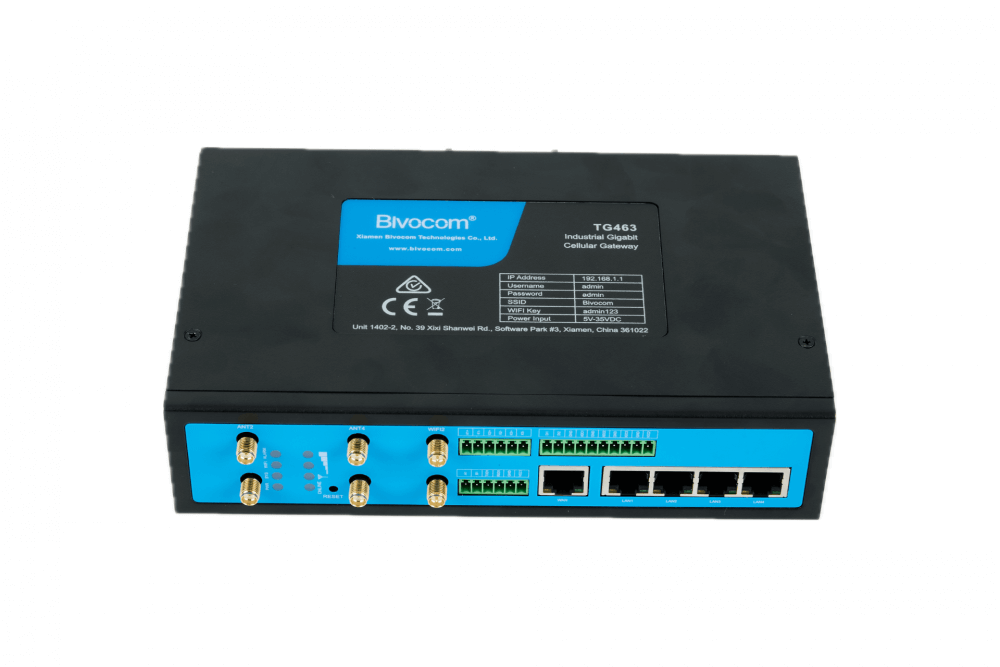
Hardware infrastructure may also include gateways, routers, switches, and other networking devices.
Layer 2 - Device Software
IoT devices can run firmware, embedded software, or lightweight operating systems to manage tasks, hardware resources, and communication.
Common IoT operating systems include:
- LiteOS
- TinyOS
- RIOT OS
- FreeRTOS
- Contiki OS
- Ubuntu Core
- Windows IoT


Layer 3 - Communications
IoT devices communicate with other devices, gateways, or cloud platforms using different communication technologies. The choice depends on range, power consumption, data rate, cost, and reliability requirements.
- Ethernet
- Wi-Fi
- Bluetooth
- ZigBee
- LTE / 2G / 3G / 4G / Cellular Networks
- LTE-M / NB-IoT
- LoRaWAN / Sigfox

Layer 4 - Cloud Platform
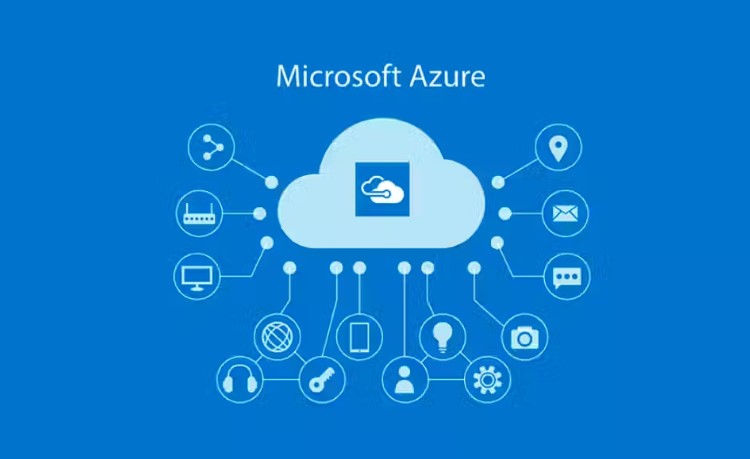
Cloud platforms provide centralized computing resources, database storage, device management, analytics, and secure access to data.
Examples of cloud platforms used in IoT include:
- Amazon Web Services - AWS
- Microsoft Azure
- Google Cloud
- IBM Cloud
- Oracle Cloud Infrastructure
Layer 5 - Cloud Application
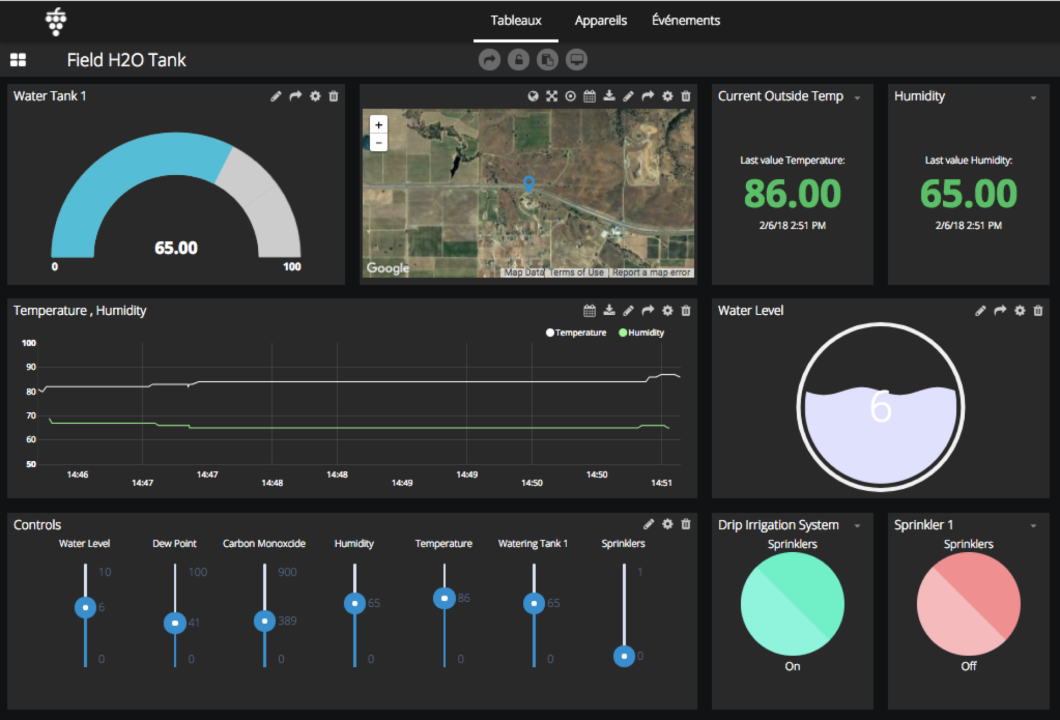
Cloud applications sit at the top layer of the IoT system. They provide the user interface that allows users to monitor data, control devices, and view analytics results.
- Dashboards.
- Charts and graphs.
- Real-time readings.
- Analytics and AI models.
- Alerts and reports.
Summary
IoT functions can be understood as connected layers: hardware, device software, communication, cloud platform, and cloud application. Understanding these layers helps in designing IoT systems that are organized, scalable, and easier to maintain.