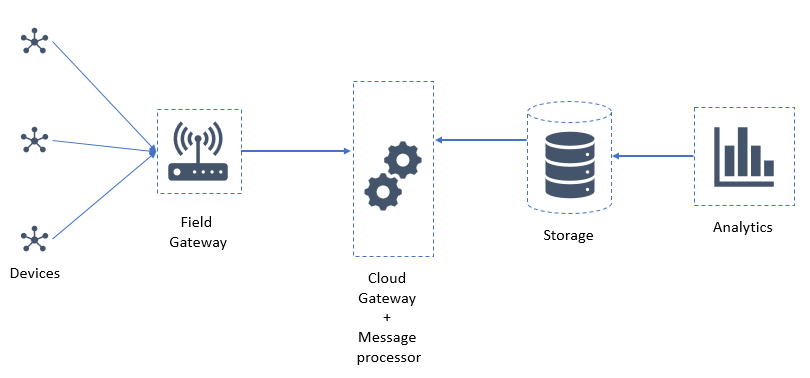
An Internet of Things system consists of several main components that work together to enable monitoring, control, data collection, storage, and analysis.
Device
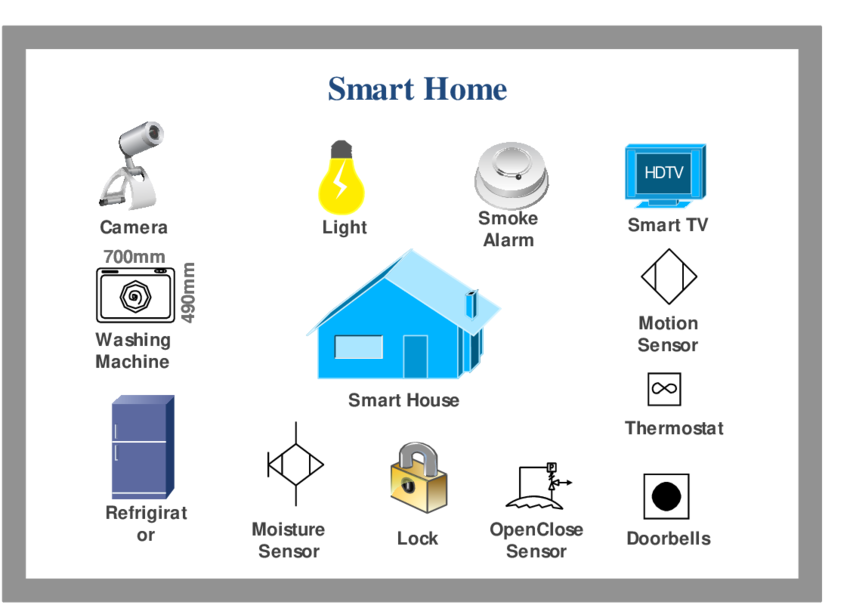
A device is the endpoint or edge object that allows users or systems to monitor and control something remotely. Examples include sensors, cameras, smart meters, machines, or smart home devices.
Resource
A resource is an internal component inside the IoT device that allows access to sensor data, device functions, or network communication features.
Controller Service
A controller service interacts with web services to send and receive commands. It is responsible for controlling the device or changing its operating state.
Database
A database can be local or cloud-based. It stores data received from IoT devices and sensors so it can be retrieved later for monitoring, reporting, or analysis.
Web Service
A web service acts as the connection layer between the IoT device, application, and database. It can use HTTP, REST, or WebSocket depending on the required communication style.
Analysis Component
The analysis component processes IoT data and produces useful results or insights that help users understand system behavior.
Application
The application provides the interface that users interact with. It can display processed data, monitor device status, and allow the user to control parts of the system.
Summary
IoT systems depend on the integration of devices, services, databases, analytics, and applications. Devices collect data, services transfer it, databases store it, analytics interpret it, and applications present it to users.